'helping nature thrive'


Projects and Collaborations

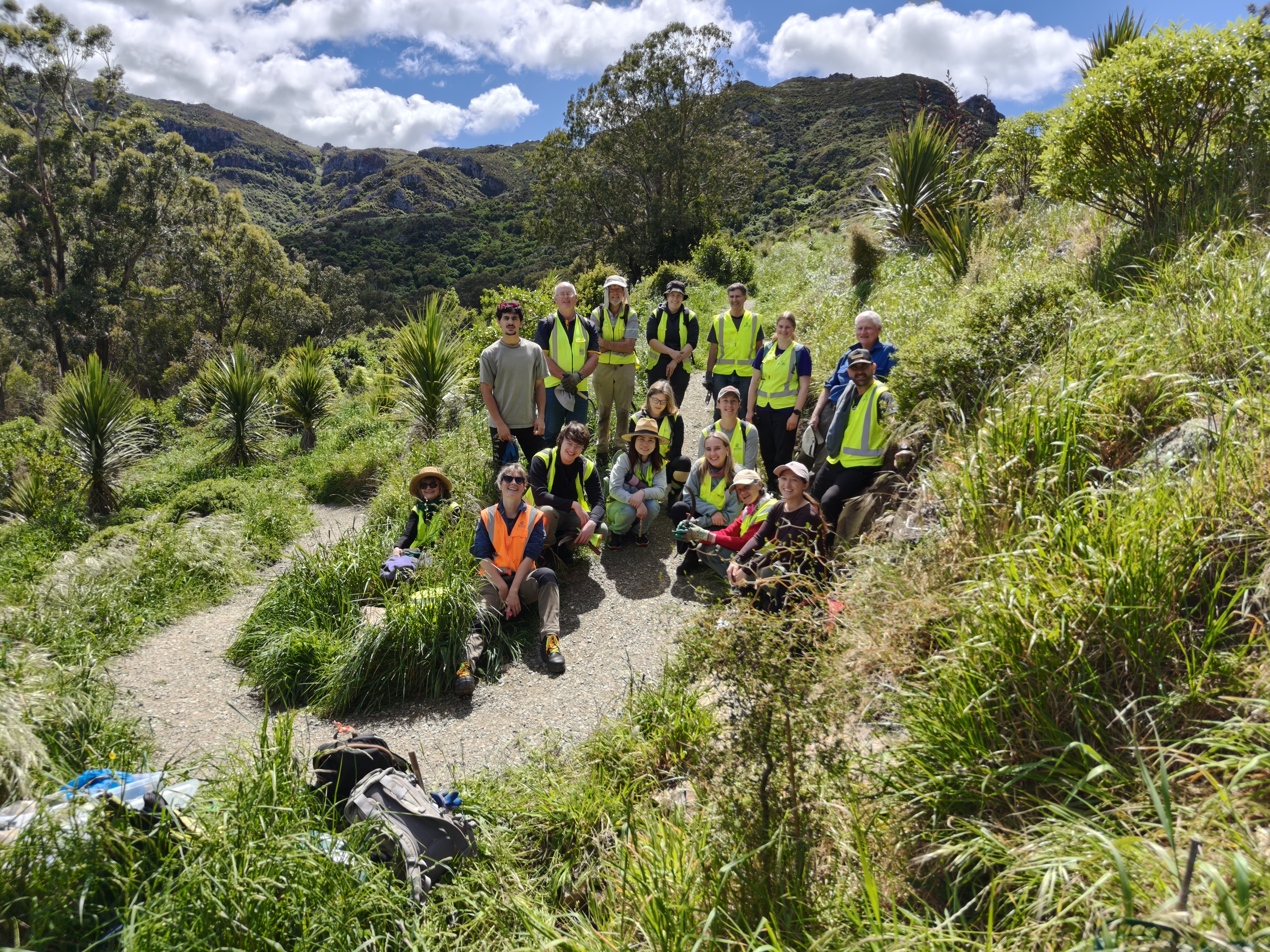
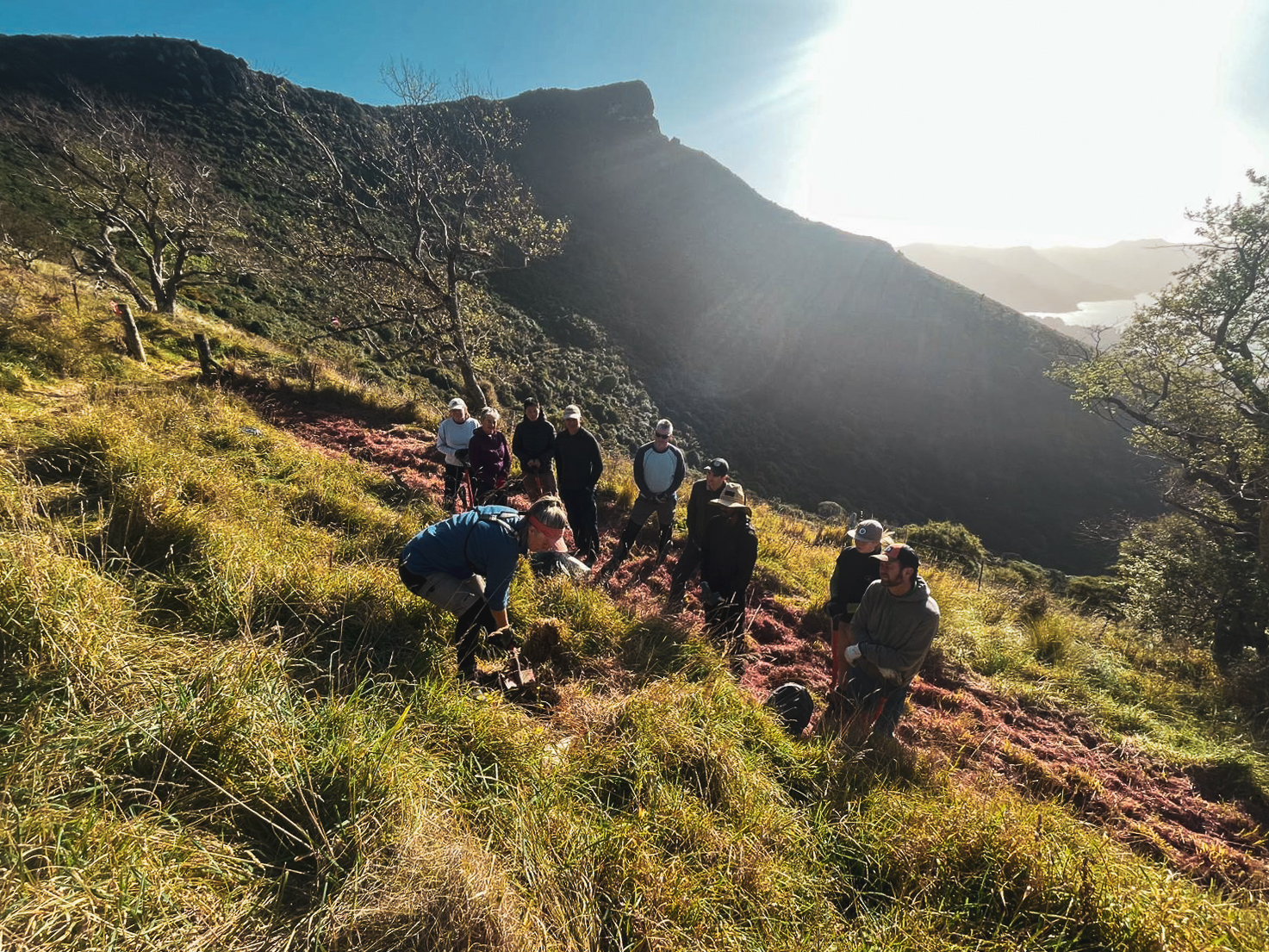
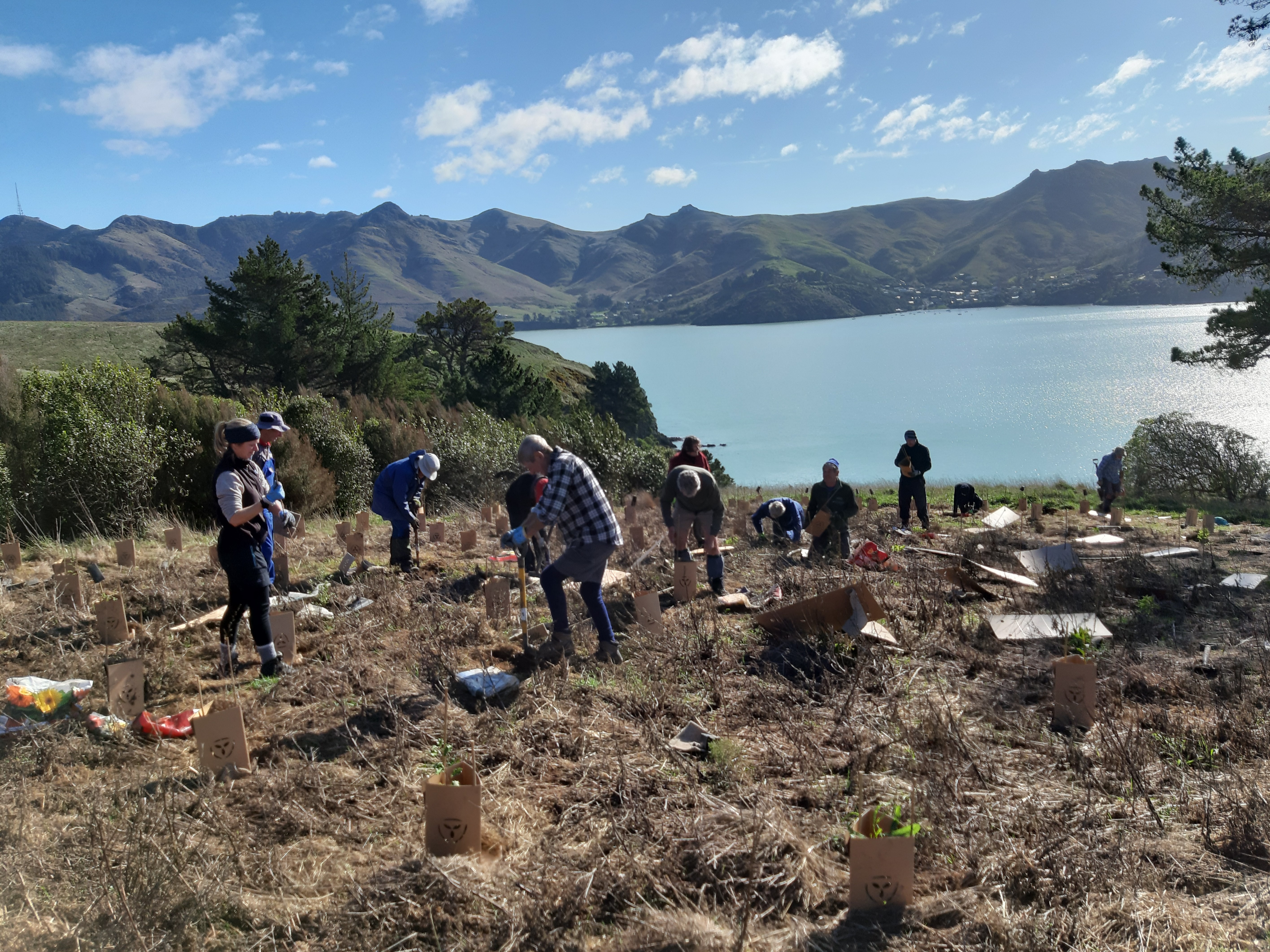
TKK partners volunteer time and resources across projects, partnerships and work programmes. From weeding, pest control, track building and planting to publishing research, running education events, volunteering and guiding volunteers, we are bringing people together for the Port Hills.
Podocarp Enrichment
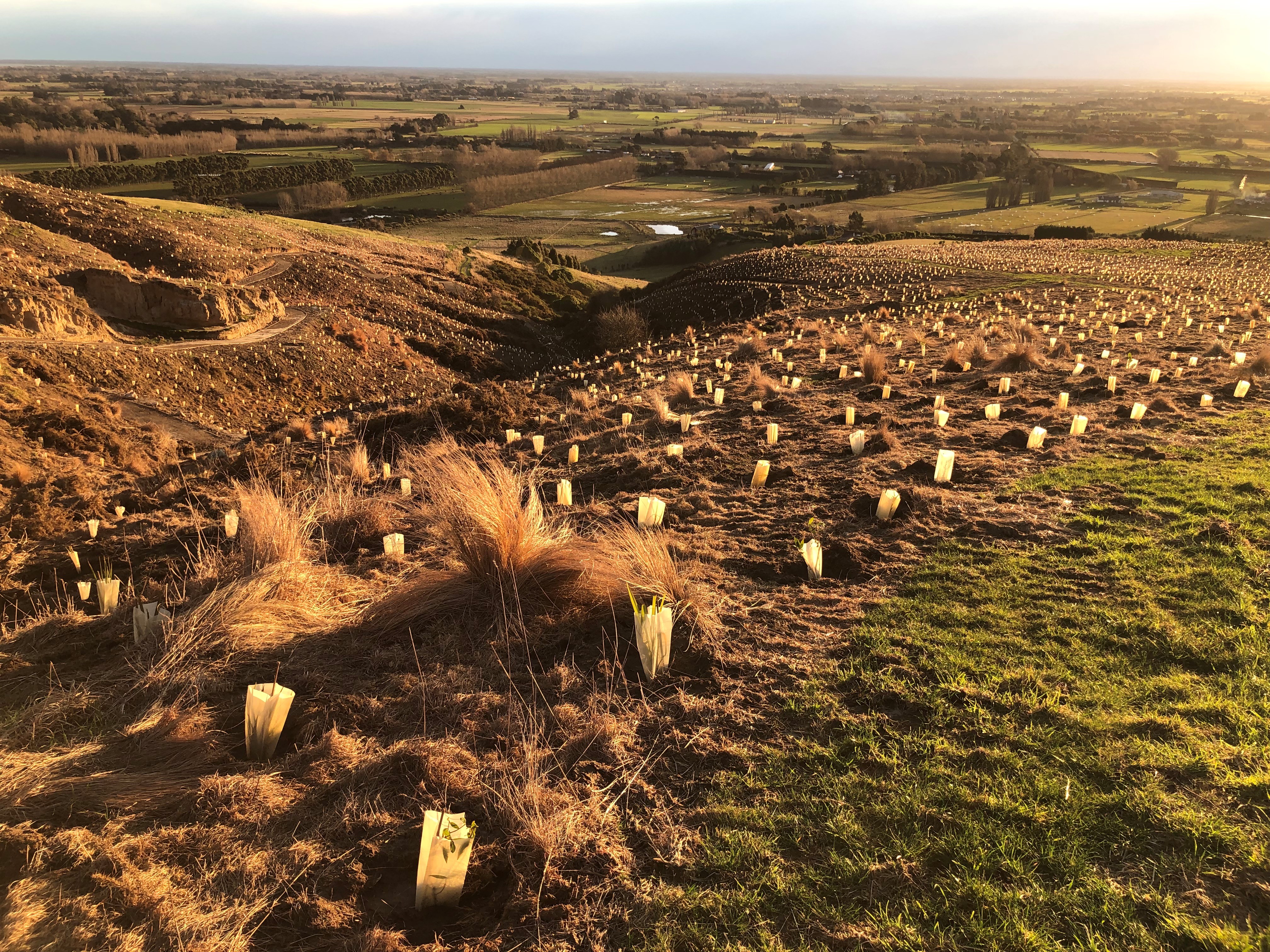
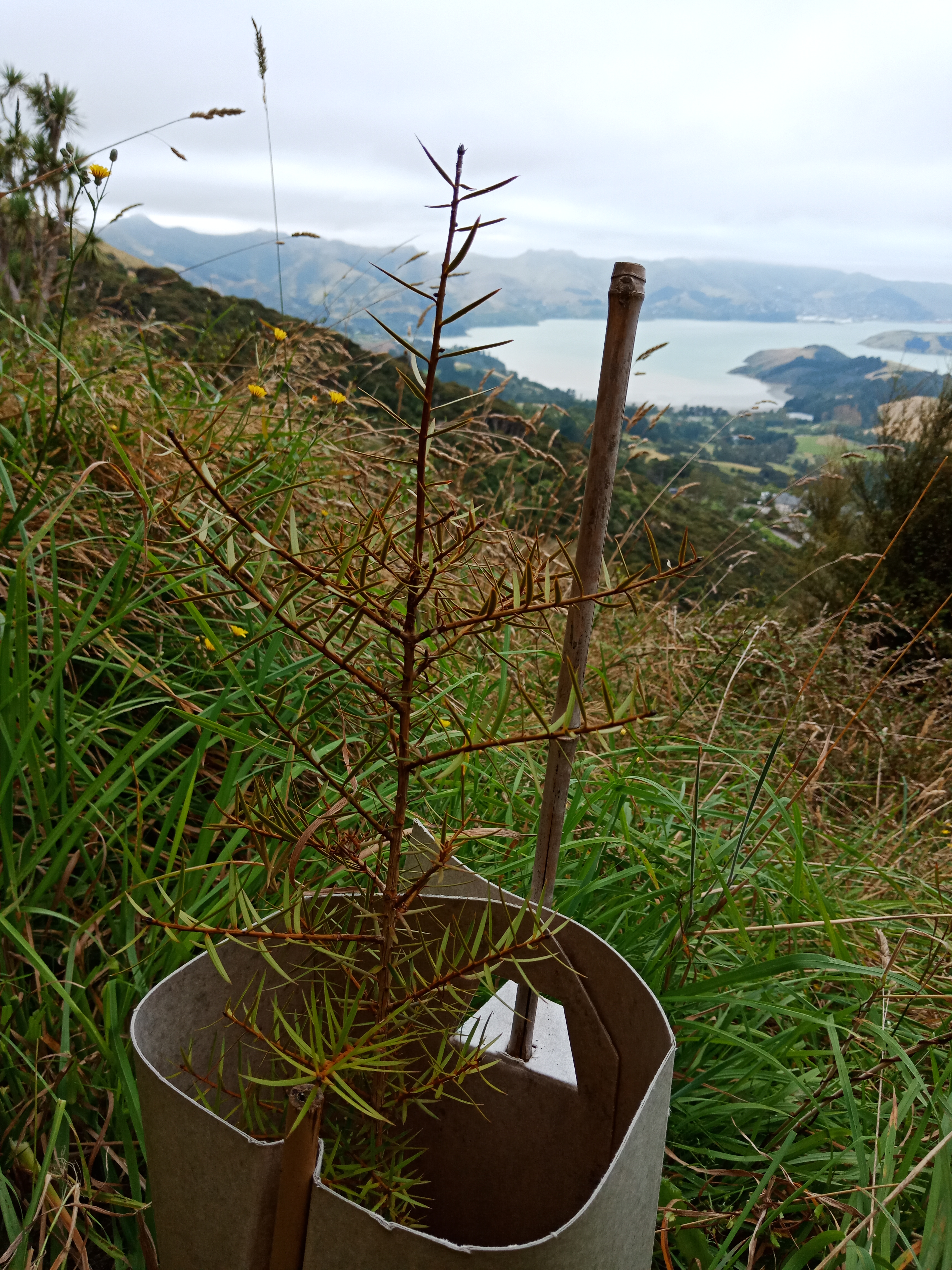
TKK's Podocarp Enrichment programme was initiated in 2017 to re-establish ‘forest giants’ (tōtara, mataī and kahikatea) in the Port Hills.
A total of 6,915 podocarp trees have been planted to date, and monitoring shows strong establishment outcomes, with a 92.4% survival rate. We are on track to achieve our goal of 10,000 trees planted by the end of 2027.
Planting podocarp and other late-succession tree species across the Port Hills is part of our vision for an abundant forest for the future.


Fire Mitigation
Port Hills people know all to well fire is on of the greatest risks to our homes, farms and restoration investments.
With our beginnings in the 2017 Port Hills Fires, understanding and mitigating wildfgire is a partner prioirty.
We are working at a landscape scale to map, and plan wildfire mitigation strategies.
Feral Ungulate Control
We're working with the BPCT Feral Ungulate programme to protect our restoration investment, collaborating to cluster affected properties and make managed control more effective.


Pest Control
Many TKK partners are running extensive trapping programmes across the Port Hills to tackle possums, mustelids, rodents, hedgehogs and rabbits. This work is vital to our success.
Pest Free Port Hills work with schools, businesses and community groups, building a trap network and trapping community across the Port Hills. Pest Free Banks Peninsula are providing leadership, innovation and a wide-scale operational programme including support to local communities through education initiatives.
Weed Control
Weed suppression is part of many active restoration projects. Weeds can swamp and outcompete seedlings, slowing down growth and compromising survival rates. From garden escapees to highly invasive pest plants, weeds can pose a significant risk to vulnerable ecosystems and native plant species.


Covenanting
Covenanting is one of the ways TKK partners are protecting rare ecosystems, remanent native forest and regenerating land.
QEII and BPCT work across the Port Hills with landowners wanting an enduring protection over ecological values on their land.
Both private and public access covenants across the Port Hills form a network of biodiversity treasures and a corridor for birds. Covenanting ensures nature and recreational treasures, restoration projects and their values are protected forever.
Erosion and Sedimentation Research
Port Hills loess soil is a fine silt that is highly vulnerable to rapid erosion and persistent sedimentation. Erosion causes significant damage to landscapes, waterways, the harbour and infrastructure and pose an ongoing challenge to landowners.
A research partnership between Whaka-ora Healthy Harbour, Ngāti Wheke, Living Springs and Canterbury University is working to understand and front foot mitigation.